
Pick the Right Destination
The right place makes or breaks your budget and your sanity. Skip the overhyped theme parks and look for destinations packed with value. National parks deliver big on adventure and scenery without a hefty price tag. Beaches, lakes, and historical towns also offer plenty to do for free or next to nothing.
Traveling in the shoulder seasons spring or fall can cut lodging costs nearly in half, while also dodging the peak season crowds and chaos. You’ll have a better time, and your dollar stretches farther.
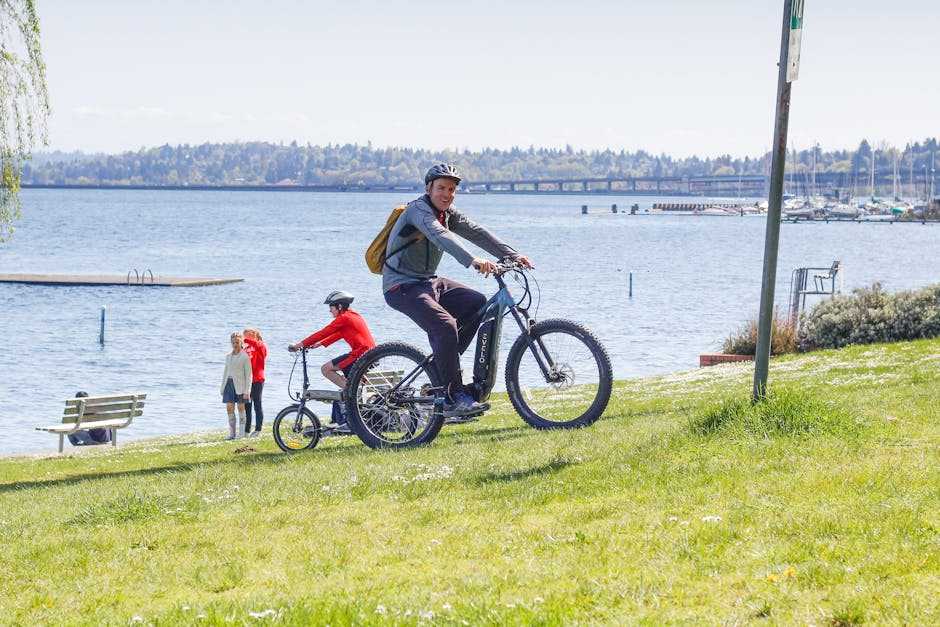
Driving beats flying when cost is key. Choose places within a day’s drive to avoid steep airfare, baggage fees, and rental cars. Plus, road trips give you the freedom to explore off the path gems that planes don’t reach. Keep it simple, flexible, and fun.
Set a Realistic Budget (And Stick to It)
Start with the big picture: how much are you willing and able to spend on this trip? Once you’ve got that number, break it down into four key categories: lodging, food, transportation, and activities. Don’t guess. Dig into rough costs so your expectations line up with reality.
Next, get tech on your side. Apps like Trail Wallet, TravelSpend, or even a basic spreadsheet can help you keep tabs on where your money is going. Tracking your spending in real time keeps the whole family honest and helps avoid those silent budget busters.
Finally, build safety into your spending plan. Set aside a cushion for the unpredictable: a flat tire, a weather reroute, or that surprise wildlife sanctuary your kid falls in love with. The goal isn’t to spend every dollar but to make every dollar count.
Find Deals on Lodging
Accommodation often takes up the biggest chunk of a trip budget so it pays to get strategic. Booking early can lock in better rates, especially during peak seasons. On the flip side, some sites and apps offer steep last minute discounts designed for families looking for quick getaways. Keep an eye on both ends of the planning spectrum.
Don’t automatically default to hotels. Vacation rentals can cut costs if you’re willing to cook simple meals in having a kitchen means fewer expensive restaurant runs, especially over a long stay. Plus, you usually get more space, which matters when you’re traveling with kids.
Loyalty programs aren’t just for business travelers. Many hotel chains offer rewards points, free nights, or member only deals that are worth signing up for. Some also bundle in extras like free breakfast or discounted tickets to nearby attractions. Package deals where you’re booking lodging, travel, and maybe even activities in one go can also drive the price down, especially when designed with families in mind.
Get Smart About Transportation
Transportation can quietly eat up a chunk of your budget if you’re not paying attention. If you’re flying, don’t book the first fare that pops up. Use comparison tools like Google Flights or Hopper, and set price alerts early. Flexibility flying on weekdays or avoiding peak times can shave off serious dollars.
For road trips, do more than just plug in the GPS. Use apps to estimate gas costs and pick routes that avoid traffic snarls and tolls. Driving smoothly and avoiding extra weight (ditch the roof box if you can) helps stretch your tank further. Pack the car with purpose, not just convenience.
And once you’re at the destination? Skip the rental car if it’s city friendly. Public transportation, day passes, even walking can save you hundreds and let’s be honest, it’s usually less stressful than navigating unfamiliar streets with tired kids in the backseat.
Plan Affordable Activities That Kids Will Actually Enjoy
Entertainment doesn’t have to drain your wallet. Start by scoping out free activities local festivals, public parks, hiking trails, and museums that offer free admission days can fill your days without touching your spending buffer. Most cities have events calendars too, so do your homework before you go.
Next, check if your destination offers a tourism card. These usually bundle access to top attractions at a discount. Some even include public transit. It’s not always a slam dunk, but if your plans align with what’s included, they can pay for themselves fast.
Finally, avoid overload. Instead of trying to cram in every landmark or exhibit, let each family member pick one activity they really want to do. You end up with a trip that feels balanced, personal, and less hectic and that keeps everyone invested, even the hard to impress tween.
Save Big on Food Without Sacrificing Fun
Food is one of the fastest ways to blow a travel budget. But it’s also one of the easiest places to scale back without feeling like you’re missing out.
Start simple: pack snacks and easy meals. Granola bars, trail mix, sandwiches, fruit these go a long way on the road or during long sightseeing days. Not every meal has to come from a restaurant. Keep the cooler stocked, and you won’t have to stop (or spend) every time someone gets hangry.
When you book accommodations, go for places that throw in a free breakfast. It’s one less thing to budget for, and it saves your mornings from descending into the where do we eat guessing game.
If you’re going to splurge on a meal, make it lunch instead of dinner. Prices tend to be lower for the same dishes, and you’ll still get the full dining out experience. Plus, keeping dinners casual or cooking in gives you a good reason to wind down early and saves you a surprising chunk of change over the course of a trip.
Pack Smart to Avoid Extra Costs
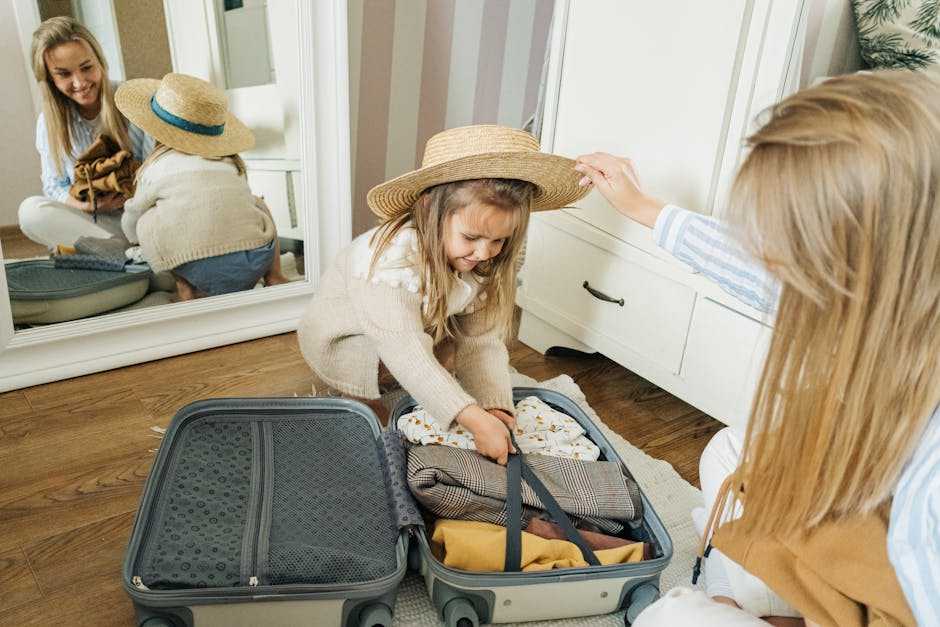
It’s easy to burn cash on stuff you forgot at home. A few simple packing choices can save you serious money once you’re on the road. First, bring your own water bottles buying drinks at every stop adds up fast. Add sunscreen and a basic first aid kit so you don’t end up overpaying at a random gas station or tourist shop.
For families, don’t underestimate the power of comfort items. That one stuffed animal or cozy blanket might save you from an in store meltdown (and an overpriced replacement). Stick to a thorough packing checklist before you leave. It’s the difference between a smooth trip and dropping $40 on kids’ headphones at the airport.
For a full breakdown on what to pack and why, check out these must know packing tips for families.
Final Pro Move: Prep, Don’t Overplan
It’s tempting to squeeze every hour with activities, but sometimes the best memories come from the unplanned stuff. Greasy spoon diners you stumble across, a weird roadside attraction, or just an extra hour jumping waves these are the moments that stick. Leave wiggle room. You don’t need a minute by minute breakdown; just a solid structure and the freedom to go off script.
Also, don’t be the only one steering the ship. Get everyone involved during the planning phase even the kids. Let them suggest stops or vote on activities. It makes them excited, and spreads the responsibility. Plus, they’re more likely to stay engaged if they helped shape the plan. When the whole family has a say, the trip feels like a team project not a to do list.