You’ve seen it.
That glazed-over look while your kid stares at a screen.
Then you catch them building a tower out of cereal boxes, asking why the sky changes color, or turning bath time into a physics experiment.
Which version do you want more of?
I’ve spent over a decade watching how kids learn (not) in labs, but in kitchens, backyards, and minivans. I’ve made every mistake you’re probably making right now.
This isn’t theory. It’s what works when you’re tired, short on time, and don’t have a teaching degree.
No special toys. No lesson plans. Just real life, used well.
The Active Learn Parent Guide Fparentips gives you that.
Simple things you can do today. Things that fit your rhythm (not) some Pinterest fantasy.
I’ll show you how to spot learning in action. How to nudge curiosity without taking over. How to stop worrying and start responding.
You’ll walk away with actual moves (not) motivation.
Active Learning: Not Just Another Buzzword
Active learning is learning by doing. Not watching. Not listening.
Doing.
Passive learning is sitting through a volcano video. Active learning is mixing baking soda and vinegar and watching it explode all over your kitchen counter. (Yes, I’ve cleaned that up twice.)
I’ve seen kids zone out during 20-minute lectures. But hand them a puzzle, a question they care about, or even a broken toy to fix. And their eyes lock in.
Their brains wake up.
Why? Because active learning builds three things no test can measure:
Stronger memory retention. Key thinking that sticks.
A real, messy, joyful love for figuring stuff out.
It’s not about making school “fun.” It’s about wiring the brain for what comes next (not) just the next quiz.
You don’t need fancy tools. You need questions, time, and space to try, fail, and try again.
This guide isn’t theory. It’s what works when your kid asks why. And you answer with another question instead of a fact. Read more in the Active Learn Parent Guide Fparentips.
Memorization fades. Curiosity compounds.
Let them build the volcano. Let them burn the toast. Let them ask the dumb question.
That’s where real learning starts.
Turn Routines Into Real Learning
I don’t schedule “learning time.”
I just cook dinner. I walk to the store. I take my kid outside.
That’s where real learning happens. Not in a chair with flashcards.
Active Learn Parent Guide Fparentips isn’t about adding more to your day.
It’s about seeing what’s already there.
In the Kitchen
Cooking is math, science, and language (all) at once.
Measure ¾ cup of flour. What happens if you double it?
Heat butter until it melts. Why does it change? (It’s not magic. It’s phase change.)
Ask: What do you think will happen if we add the egg before the flour?
Ask: How many tablespoons are in a quarter cup? Let’s count them.
At the Grocery Store
Stop treating the cart like a delivery vehicle.
Make it a lab.
Ask your kid to find three red fruits. Then ask why apples and strawberries are both red but taste nothing alike. Or count six bananas (then) ask how many fingers you’d need to hold them all.
Where does this lettuce come from? (Hint: Not the fluorescent lights.)
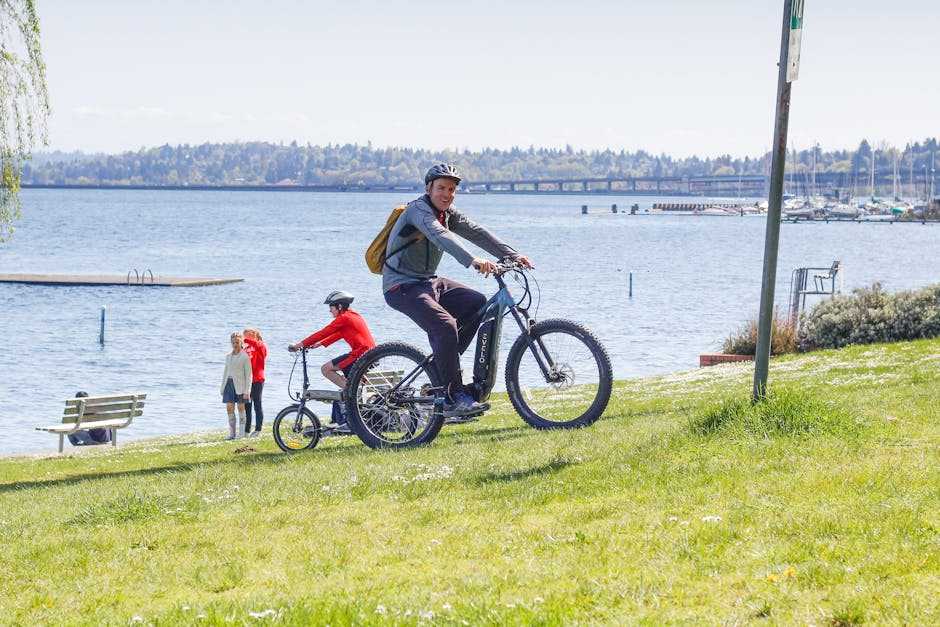
During a Walk
A walk is not downtime.
It’s field research.
Turn it into a scavenger hunt: Find something smooth. Something that smells earthy. Something that moves but isn’t a car.
Then pause.
Look closer. Ask: Why do you think that bug has stripes? What would happen if it rained right now?
You don’t need a lesson plan.
You need curiosity. And the nerve to ask questions you don’t know the answers to.
Kids notice way more than we give them credit for.
They just need someone to point and say: Wait. Look at that.
Pro tip: Keep one question in your back pocket for every outing. Just one. Not three.
Five Things That Actually Make Kids Ask “Why?” This Week

I tried all five of these last Tuesday. My kid asked 17 questions before lunch.
The Sink or Float Experiment is not science class. It’s a bowl of water and whatever’s within arm’s reach (a) spoon, a grape, a Lego brick. I bet you’ll be surprised by the eraser.
(Mine floated. Still mad about it.)
Predict first. Then test. No grades.
I go into much more detail on this in this article.
No cleanup lecture. Just “Huh. Why did the cork float but the paperclip didn’t?”
Building Challenge? Use pillows. Or cereal boxes.
Or both. Tell them: “Make something that holds your stuffed sloth.” Watch what happens when gravity wins. (Spoiler: It always wins.
And it’s glorious.)
Story Stones take five minutes to prep. Grab three smooth rocks. Draw a cloud, a shoe, and a key.
That’s enough. Start the story. Let them hijack it.
You’ll get better plots than most Netflix shows.
Shadow Puppet Theater needs only a flashlight and a wall. Bonus points if you make your hand look like a grumpy raccoon. (Pro tip: Wiggling your pinky makes everything scarier.
And funnier.)
Kitchen ‘Potion’ Making is where dish soap becomes magic. Water + food coloring + a drop of soap = swirling galaxies in a cup. Supervise, yes.
But step back fast. Let them stir. Let them spill.
Let them wonder why the colors swirl instead of mixing.
None of this requires printing, laminating, or Googling “Montessori-approved sensory bins.”
You don’t need perfect materials. You need five minutes and zero pressure.
That’s why I keep the Active Learning Advice Fparentips bookmarked. Not for theory. For the “what do I do right now” moments.
Try one today. Not all five. Just one.
See if they ask “What if?” instead of “Are we done?”
They will.
The Secret Weapon: How to Ask Better Questions
I used to think asking questions was just part of the job. Then I watched kids shut down after a string of yes/no prompts. It’s not about how many questions you ask.
It’s about what kind.
Closed questions trap thinking. “Is that blue?” locks the answer in place. Open-ended ones crack it wide open. “What do you notice about that car?”. Now they’re scanning, comparing, describing.
Here’s what I swap (every) single time:
Instead of: “Did you have fun?”
Ask: “What was the most exciting part of your game?”
Instead of: “What does a cow say?”
Ask: “Why do you think a cow makes that sound?”
This isn’t wordplay. It moves your child from guessing what you want to building their own reasoning. They stop waiting for your approval and start trusting their observations.
I’ve seen kids light up when given room to wonder. Not just answer.
The shift is immediate. So is the payoff.
That’s why the Active Learn Parent Guide Fparentips includes this exact system. It’s baked into the Fparentips guide (no) fluff, just real talk on turning everyday moments into thinking moments.
Try one swap today. Watch what happens.
You Already Know How to Do This
I’ve watched parents panic over flashcards and lesson plans.
You don’t need those.
Your child isn’t failing. You’re not behind. The overwhelm?
It’s real. But it’s not the problem.
Active learning isn’t a thing you buy or schedule.
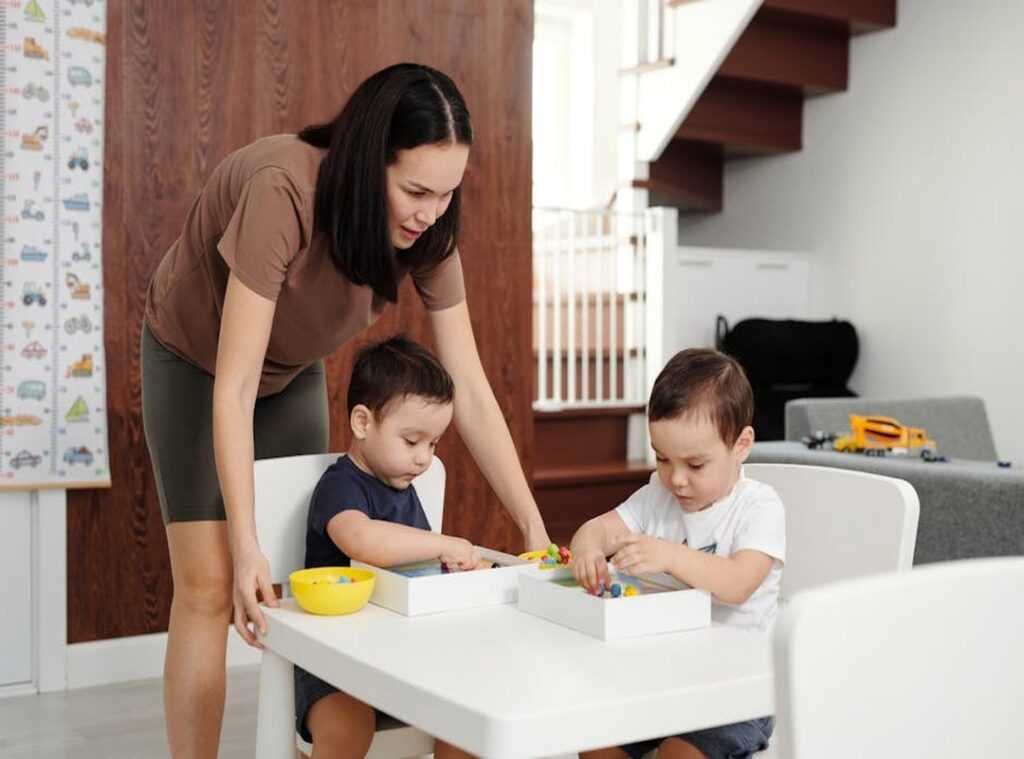
It’s how you pause while making pancakes and ask What do you think will happen if we add more milk?
It’s noticing their curiosity. Then feeding it, not fixing it.
The Active Learn Parent Guide Fparentips gives you exactly what you need: one question. One tweak. One moment that sticks.
No prep. No guilt. Just one small shift this week.
Try it. Watch what your kid says next. You’ll feel the difference before dinner.
Go ahead (pick) one thing from the guide right now. Do it tomorrow morning. You’ve got this.