There is usually a practical reason for the booking. A match. A race. A tournament. Something has appeared on the calendar and suddenly two people who have been talking about taking a trip for months have a date, a city and somewhere they absolutely have to be at seven o’clock. Everything else is less certain. Now the fun starts! Sport gives a couple an excuse to go somewhere, but not necessarily a plan for what to do for the rest of the day. They still have breakfast to eat, there’s still an argument about whether they really need to take the long way to the hotel, and there’s still a weather complaint to make. The hours spent on the road can be the most enjoyable. A football match can lead a couple to a neighbourhood that isn’t mentioned in the guidebook. A tennis match might send them looking for a quiet spot after a few hours at the courts. By turning an ordinary street into part of the experience, a cycling event can make a place memorable. The sport gets them there. The city decides what happens next.
Melbourne is more than the tennis
A couple arriving in Melbourne for tennis can easily build the whole trip around the tournament. There are matches to see, players to follow and those dangerous little gaps between sessions when somebody says, “Let’s just have a look around.” A short walk quickly becomes coffee, somehow. Coffee becomes a bookshop. The bookshop becomes lunch. The couple suddenly talk about a neighbourhood, instead of a second-round match. Melbourne is a good place for this type of strolling, as it’s a city that’s very different on each street. There are shiny places and cramped lanes and coffee houses that have sprung up just for those who grew bored with reading maps. Tennis remains important, of course. It gives the day a pulse. But the city fills the spaces between the points. For travellers who like to keep the sporting mood going after leaving the courts, Dafabet Casino may become another stop in an evening built around entertainment rather than sightseeing. Yet even that is secondary to the little discoveries outside the official event.
Cycling makes the road part of the story
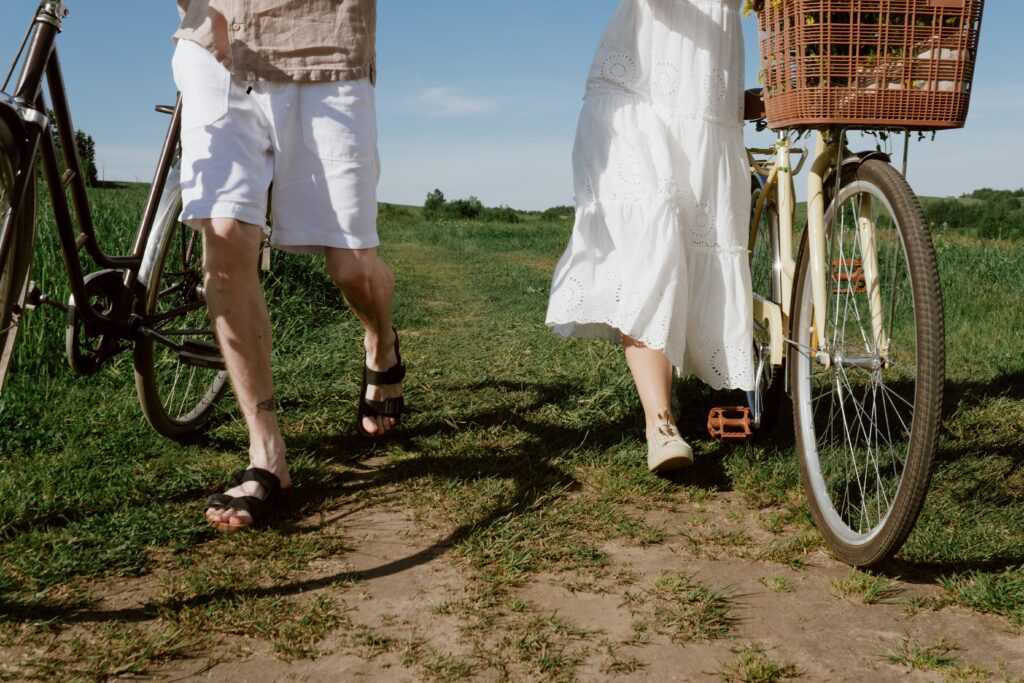
Cycling changes the relationship between sport and place completely. A stadium has boundaries. A cycling route does not. It runs through towns and occasionally leaves spectators wondering whether they are watching a sporting event or accidentally driving through a very elaborate village festival. For couples, that uncertainty is part of the appeal. One person can care about the riders and the tactics. The other can care about the landscape. Neither has to pretend the other interest is more important.
The best detours are usually unplanned

A cycling trip has a strange talent for making detours feel legitimate. There is always another road. Another village. Another café with three tables outside. Another perspective that merits taking the time to reflect for 5 minutes – which turns into 40. Here, the city – or area surrounding the city – begins to feel personal. The couple remembers the place because something significant happened there, rather than it being a “must see” tourist site. Maybe it rained. Perhaps it was a particularly amazing lunch. Perhaps they couldn’t find the car park, and they all got hungry and cranky. Interestingly, those details remain.
Football reveals the city after dark
Football has a different advantage. It can create a social vibe in a city before a visitor even knows what is happening. Changes are typically progressive. A small number of scarves are seen. Then more. The noise in the café grows louder. Individuals slow down a bit when they start walking. A normal street’s look changes from day to night. A couple doesn’t have to know all of the songs or know all of the rivals. Watching the city react can be enough.
Finding the places around the stadium
The most interesting discovery may be a pub several streets away, a mural hidden behind a row of shops or a tiny restaurant where the television is positioned so everyone can see it. These places are rarely the reason the trip was booked. They are the reason the trip becomes difficult to reproduce. A photograph of a famous stadium can be found anywhere online. The memory of eating chips at a crowded table while somebody explains an argument from twenty years ago is much harder to replace.
Different sports, different versions of the same city
The same city can feel completely different depending on the sport bringing someone there. A tennis visitor may notice cafés, design and quiet corners between matches. A football visitor may notice pubs, public squares and the changing mood of the streets. A cycling fan may barely care about the centre because the interesting part begins several kilometres outside it. None of them is seeing the whole city. Nobody does. Perhaps that is the more interesting way to travel anyway. Instead of trying to understand a destination completely, couples enter through one particular door and accept that they will miss plenty of things. That sounds like a limitation. It can actually be a relief.
The places nobody planned to remember
The most memorable city discovered through sport is often not the one either traveller expected. It can be the street taken by mistake, the café chosen because it was raining, or the quiet square discovered after leaving a noisy stadium. The shop that appeared while somebody was trying to find the correct tram. Sport creates the reason to move. Curiosity takes over from there. And perhaps that is why couples keep returning to sporting cities. Not because every match is unforgettable, but because a match gives them something rare in modern travel: a reason to stop looking at the itinerary. The ticket gets them through the door. After that, the city starts writing the story.