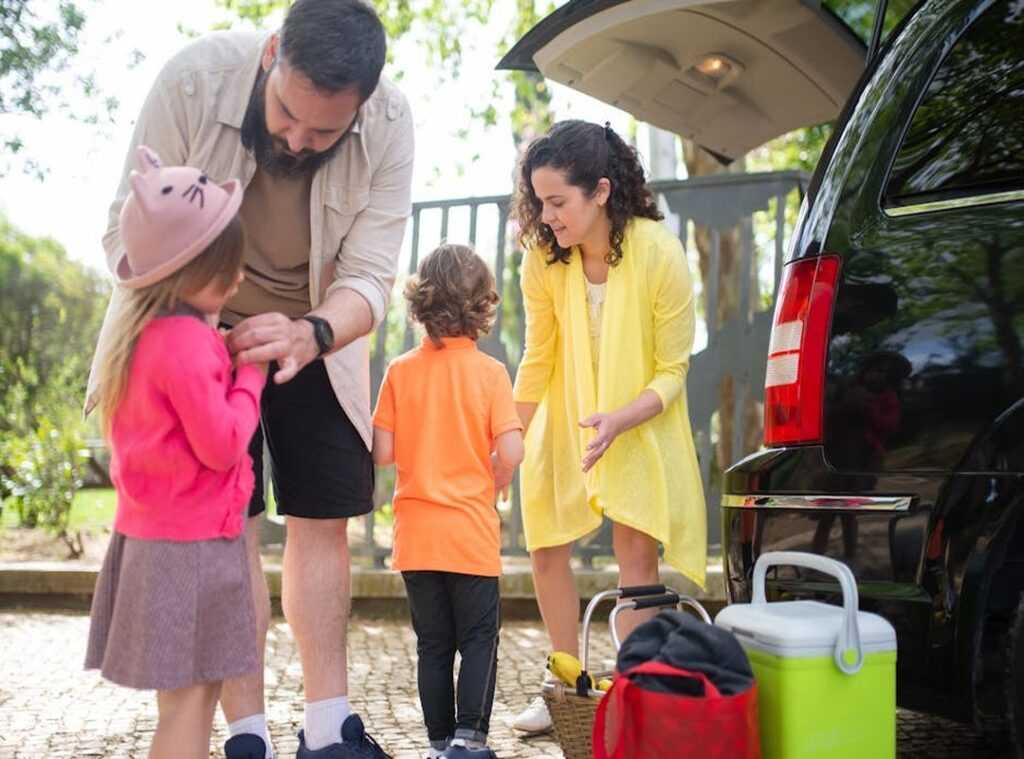
I hear the groan before I even open the car door.
Kids slumped in the backseat. Parents staring at phones, hunting for Wi-Fi like it’s oxygen. Everyone tired before the trip even starts.
That’s not travel. That’s endurance training with snacks.
Most family trips are built around getting from point A to point B without a meltdown. Convenience first. Connection second.
Meaning? Barely on the list.
I’ve spent years designing real itineraries. Not theory, not Pinterest dreams (actual) plans that worked across 20+ countries. From Tokyo subways to Marrakech souks.
From hiking Patagonia with a six-year-old to navigating Venice canals with three suitcases and zero patience.
We tested every idea. Threw out what failed. Kept what made families laugh together, not just survive together.
This isn’t another list of “top 10 places you must visit.” You won’t find hotel recommendations or packing checklists here.
What you’ll get is a working system. One that builds shared meaning. That turns stress into stories.
That makes kids ask, “When do we go back?” instead of “Are we there yet?”
It works because it’s been lived. Not written from an office.
You’re here because you want more than photos. You want memories that stick.
That’s what Family Traveling Nitkatraveling delivers.
Adventure Isn’t About Risk. It’s About Showing Up Together
I used to think adventure meant hiking a volcano or sleeping in a treehouse.
Turns out, that’s just noise.
Real adventure is intentional engagement. It’s your kid squinting at a metro map in Tokyo and pointing left when you’d have gone right. It’s ordering lunch in Spanish even though your accent sounds like a confused parrot.
That’s where Nitkatraveling comes in (it’s) built around this idea, not bucket lists.
Kids don’t learn from watching. They learn from doing. Research shows they retain 75% more when they co-create experiences instead of passively tagging along.
One day: rush through five museums, take 47 photos, go home exhausted. Another day: “Find three local craftspeople and learn one skill.” You get clay-stained hands, a lopsided bowl, and your daughter remembering how to say “thank you” in Japanese.
Which feels more like family?
Assign each person a daily role: Observer, Documenter, Navigator, Connector. No extra gear needed. Just attention.
Family Traveling Nitkatraveling works because it swaps spectacle for shared focus.
I’ve watched kids light up when they’re trusted with real tasks. Not busywork.
Not performance.
Just presence.
Try it tomorrow. Pick one thing. Do it together.
Stop calling it “vacation.” Start calling it “us time.”
The 3-Part Prep System That Cuts Pre-Trip Stress by 60%
I used to pack three days early and still panic at 5 a.m. the morning of.
Then I stopped treating family trips like military ops. And started using Align, Assign, Anticipate.
First: Align. Not “we’ll have fun.” Not “it’ll be great.” Real talk. Try the Trip Values Card Sort.
Hand everyone three cards: “laughing hard,” “trying something new,” “quiet time together.” Watch what they grab first. That’s your compass. (My kid picked “laughing hard” every time.
So we booked the goofy puppet show. Not the museum.)
Second: Assign. A 7-year-old doesn’t need “responsibility.” They need ownership. Let them manage the snack stash.
A teen? They handle offline maps and translation app setup. No micromanaging.
Just check in once: “Is the map downloaded?” Done.
Third: Anticipate. Airport transitions? Bring noise-canceling headphones and a silly game on your phone.
Picky eater meal timing? Pack two backup snacks plus one “I’ll try it” reward sticker. Downtime meltdowns?
Build in 20-minute “reset zones”. No screens, just coloring or walking.
You don’t need perfection. You need a Family Adventure Prep Sheet (blank) spaces for values, roles, and “Plan B” ideas. Write it together.
Tape it to the fridge.
Stress drops when control shifts from you to us.
Family Traveling Nitkatraveling gets easier the second you stop hiding the planning. And start sharing it.
Adventure Is Where You Drop Your Phone

I follow a color for ten minutes. Any color. Red.
Yellow. Teal. I just pick one and walk.
It works because your brain stops autopiloting. You notice things you’d scroll past. A rusted fire escape.
A child’s red balloon caught in a tree. A stop sign that’s been repainted three times.
No planning needed. No gear. Just eyes open.
This is human.
Ask one local what makes them proud of this place. Not “Where’s the best coffee?”. That’s transactional.
I asked in Lisbon during rain. Got a 20-minute story about azulejos and a grandmother who painted them. (She was right there, fixing a tile on her wall.)
Find the oldest and newest thing on this street. Oldest brick. Newest mural.
Oldest person walking. Newest scooter.
It forces comparison. Context. Time becomes visible.
Safety note: For neurodivergent kids, swap “oldest/newest” with “smoothest/roughest texture.” For mobility limits, do it from a bench. For language barriers, point and smile (most) people understand pride.
Weekend-at-home version? Do all three prompts in your apartment building hallway.
That rainy Lisbon afternoon became real because I stopped waiting for “adventure” to arrive.
It’s not in the brochure. It’s in the micro-moment you choose to look.
Family Traveling Nitkatraveling starts here. Not at the airport.
Nitkatraveling has more of these. Not plans. Just invitations.
I keep a notebook. Not for notes. For colors I want to follow next.
You will too.
How to Keep the Magic Alive After You Get Home
I got home from Yellowstone last year and opened my laptop to edit photos. Then I stared at a blank screen for twelve minutes. The kids were already arguing about screen time.
That’s when it hit me: the trip was already fading.
Memories don’t stick unless you pull them out and hold them up to the light.
So I started the 3-2-1 Share ritual.
Within 24 hours of returning, we sit down (no) phones (and) each say:
3 things we saw (not just “the geyser”. “the kid who dropped his ice cream into the hot spring”),
2 things we felt (“my shoulders dropped on that trail”, “how quiet the tent got at 3 a.m.”),
1 thing we learned (“bison don’t care about your itinerary”).
Then we draw one page: an Adventure Map. Hand-drawn. Messy.
No rules. Just marks where something surprised us, made us laugh, or shut our mouths in awe.
We tape it to the fridge. Pull it down once a month. Read it aloud.
It builds something real. Not just nostalgia, but identity.
Don’t drown it in documentation. One photo + one sentence beats 200 untouched JPEGs. (Yes, I deleted 197 of mine.)
You’ll start anticipating the next trip before the laundry’s folded.
For more grounded ideas like this, check out Family Trips Advice Nitkatraveling.
Your First Family Travel Adventure Starts Tonight
I’ve been there. Exhausted. Scrolling travel blogs while the kids argue over snacks.
You want connection (not) chaos.
This isn’t about perfect destinations. It’s about showing up together. Present.
Laughing instead of logging flight times.
That exhaustion? That disconnection? Gone.
Replaced with shared agency. With joyful attention. Real attention.
You don’t need a full itinerary. Just one prompt from section 3. One idea.
That’s enough to shift everything.
Write it on a sticky note. Right now. Stick it on your fridge tonight.
Not tomorrow. Not when you’re “less busy.” Tonight.
Because Family Traveling Nitkatraveling starts with action (not) planning.
Your family’s next great story begins with a single curious step. Not a perfect plan.